

PPC for B2B Companies: Strategy Guide (2026 Edition)
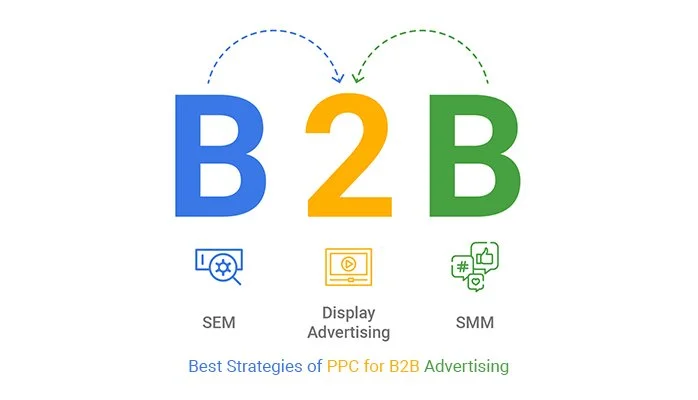
Running pay-per-click campaigns for B2B companies has always required a different mindset than consumer advertising. Business buyers behave differently, budgets are larger, and decisions take longer. By 2026, these differences have become even more pronounced as digital transformation reshapes how businesses discover, evaluate, and purchase products and services. For B2B marketers, PPC is no longer just about driving traffic or getting clicks. It’s about generating qualified leads, nurturing them through complex funnels, and proving measurable ROI. This guide walks through how PPC for B2B companies works in 2026, the strategies that actually drive results, and how to refine your campaigns for consistent growth in a more competitive digital landscape.
Understanding B2B PPC in 2026
Unlike B2C advertising, where purchases can happen instantly after one click, B2B conversions often take weeks or months. A single lead might involve several decision-makers, multiple research stages, and a longer path before purchase. PPC for B2B must reflect that reality. In 2026, Google Ads, LinkedIn Ads, and even YouTube play complementary roles in building awareness and driving conversions. Smart advertisers combine these platforms to engage prospects at different points in their buying journey. They’re not just running search ads anymore; they’re running full-funnel systems that start with educational content and end with high-intent lead generation. The most successful B2B campaigns today integrate PPC with CRM systems, marketing automation, and analytics dashboards. This integration ensures that no lead falls through the cracks and every click is tied to a measurable business outcome.
The B2B Buyer Journey and Its Impact on PPC
The modern B2B buyer journey has become nonlinear. A decision-maker might discover a company through a search ad, watch a product demo on YouTube a week later, download a guide through LinkedIn, and only then request a quote. Because of this fragmented journey, B2B PPC strategies must adapt by using audience segmentation, remarketing, and long-term nurturing. Instead of optimizing solely for direct conversions, advertisers now measure micro-conversions such as white paper downloads, webinar sign-ups, or demo requests. Each interaction becomes a stepping stone toward the final sale. Effective B2B PPC campaigns mirror the research process of the buyer. They provide helpful, educational, and problem-solving content first, before asking for the sale. This is why longer landing pages with detailed case studies and testimonials perform better in 2026—they build credibility before conversion.
Choosing the Right Platforms for B2B PPC
In B2B advertising, choosing the right platforms determines how effectively you reach your audience. Google Ads remains the foundation because it captures high-intent searches from potential clients actively looking for solutions. Search campaigns continue to perform exceptionally well for keywords like “enterprise CRM software” or “IT security provider near me.” LinkedIn Ads has become equally important for targeting specific industries, job titles, and company sizes. In 2026, LinkedIn’s integration with Microsoft Advertising has created more seamless targeting options across both networks, allowing advertisers to reach professionals during research and decision stages. YouTube Ads also play a larger role today. With business audiences spending more time on video-based learning, YouTube offers a valuable space for product demos, expert interviews, and brand storytelling. Well-crafted video campaigns help B2B companies build trust before the click ever happens. At Cristanta Digital Marketing, we often combine Google Search, YouTube, and remarketing campaigns to create cohesive B2B funnels. This multi-channel approach maximizes reach while maintaining precision and ROI. Learn more about how we structure these systems on our Paid Advertising Services page.
Targeting Strategies for B2B PPC
B2B targeting requires more than simple demographics. It’s about reaching the right company, department, and decision-maker at the right time. Start with detailed audience research. Define your ideal customer profile: company size, industry, job function, and pain points. Once you know who you want to reach, build custom segments based on intent and engagement. Use Google’s in-market audiences to reach professionals actively researching business solutions. Layer these with remarketing lists to stay top-of-mind throughout the long decision process. On LinkedIn, combine company size filters with seniority levels to ensure ads are seen by actual decision-makers rather than entry-level employees. In 2026, advanced look-alike modeling powered by machine learning has made it easier to find similar businesses to your existing clients. AI systems can now analyze your CRM data and automatically identify audiences that match your best-performing customers.
Keyword Strategy for B2B Campaigns
The right keywords are still the backbone of every PPC campaign, but B2B keyword strategies differ from B2C because intent varies. A consumer might search “buy running shoes online,” while a business buyer searches “best enterprise payroll solutions.” Long-tail keywords perform exceptionally well in B2B because they capture specific intent and often face less competition. Phrases like “Google Ads agency for SaaS companies” or “cybersecurity firms for small enterprises” attract high-value leads rather than general traffic. Use AI-powered research tools to identify emerging search trends in your industry. These tools analyze search intent and predict which phrases will gain traction before they peak. As discussed in our article How to Measure Google Ads ROI Like an Expert, pairing this data with ROI tracking ensures every keyword contributes directly to your bottom line. Also, make sure to maintain a strong negative keyword list. Filtering out irrelevant queries saves money and improves your Quality Score. B2B budgets can be high, but efficiency matters more than ever in 2026.
Crafting Effective B2B Ad Copy
B2B buyers are not impulsive shoppers—they are analytical decision-makers. Your ad copy should reflect professionalism, expertise, and measurable value. Instead of writing flashy or emotional headlines, focus on clarity and credibility. Use language that emphasizes results, savings, or efficiency. For example, “Reduce lead costs by 30 percent with smarter PPC automation” performs better than vague slogans like “Get more leads today.” Include data points, awards, or certifications when relevant. Social proof reassures potential clients that your company can deliver measurable outcomes. In your descriptions, highlight solutions to pain points rather than product features. B2B buyers want to know how you solve their business challenges, not just what your service includes. In 2026, dynamic search ads and responsive ad formats powered by Google’s AI help tailor your messaging automatically to match search queries. But human oversight is still crucial to ensure tone and accuracy align with your brand.
The Role of Landing Pages in B2B PPC
Landing pages are where B2B leads turn into opportunities. A strong landing page should educate, build trust, and persuade—all within a few seconds. Longer, more detailed pages with clear information, statistics, and case studies tend to perform best in B2B. Prospects expect substance before commitment. They want to see proof of ROI, detailed explanations of services, and real client results. Use clear calls to action such as “Book a consultation” or “Request a demo,” but ensure the page supports that request with valuable context. Include testimonials, partner logos, and downloadable resources that nurture leads after they convert. Speed and mobile optimization remain critical. Many executives now review campaigns and contact vendors directly from mobile devices. A slow-loading page can lose a deal faster than a poor offer.
Measuring B2B PPC Success
For B2B marketers, success is measured differently than for consumer campaigns. Clicks and impressions are secondary. The real focus is on qualified leads, sales pipeline growth, and revenue. Set up conversion tracking that follows leads from the first click to the final sale. Integrate Google Ads with your CRM to track which campaigns generate the most valuable opportunities. This level of visibility helps you refine bidding strategies and allocate budget where it produces the greatest ROI. Key metrics include cost per lead, lead-to-opportunity rate, and lifetime value of acquired clients. If you’re running multi-touch attribution, evaluate how each campaign contributes to conversions across the funnel. When your PPC data aligns with sales outcomes, your marketing becomes more strategic and far less speculative.
Retargeting and Funnel Nurturing
In B2B, very few conversions happen after the first click. Retargeting is essential for staying connected to prospects throughout their decision process. Use display ads, YouTube remarketing, and search retargeting to re-engage users who visited your site but didn’t convert. Create different ad messages for each funnel stage—educational content for early visitors and case studies or special offers for those closer to buying. Remarketing lists for search ads (RLSA) allow you to adjust bids for users who already know your brand. Since these prospects are warmer, higher bids are often justified because conversion rates are significantly better. In 2026, remarketing has become even more sophisticated thanks to first-party data integration. You can now segment audiences by behavior, company type, and even predicted intent.
Budgeting and Bidding for B2B Campaigns
Setting the right budget in B2B PPC requires balancing patience with precision. Lead cycles are longer, so immediate ROI isn’t always visible. However, with accurate tracking, you can still measure progress effectively. Use Target ROAS or Maximize Conversions bidding strategies to let Google’s AI adjust bids dynamically. Over time, it learns which queries and audiences produce the best leads. Combine automated bidding with manual oversight to ensure the system doesn’t over-prioritize cheaper clicks at the expense of lead quality. Avoid the temptation to pause campaigns too quickly. B2B deals often take months to close, meaning early traffic data doesn’t tell the full story. Evaluate performance based on long-term metrics like customer acquisition cost and pipeline contribution.
Common B2B PPC Mistakes
Many businesses struggle with B2B PPC because they treat it like B2C advertising. One common mistake is focusing on volume instead of quality. Thousands of low-value clicks mean nothing if they don’t convert into qualified leads. Another mistake is neglecting to align marketing with sales. Without integration between Google Ads and CRM systems, tracking ends at the form submission stage. This creates blind spots that make optimization nearly impossible. Failing to segment audiences properly also limits performance. Generic messaging won’t resonate with high-level decision-makers. Tailoring ads to specific roles or industries improves engagement dramatically. Finally, underinvesting in remarketing or nurturing wastes the potential of every first click. B2B success requires persistence, consistent follow-up, and trust building over time.
How Cristanta Digital Marketing Builds B2B PPC Success
At Cristanta Digital Marketing, we’ve helped B2B clients across industries build profitable ad systems that scale sustainably. Our process starts with understanding your ideal buyer, sales cycle, and revenue goals. From there, we design campaigns that balance awareness and lead generation to fill your pipeline consistently. Every campaign includes precise keyword targeting, advanced analytics setup, and continuous optimization. We integrate conversion tracking with your CRM so you can see exactly which ads bring real business results. Unlike many agencies that focus only on clicks, we focus on measurable growth that aligns with your business objectives. Our approach combines strategic planning, creative execution, and data-driven refinement. We continuously monitor keyword trends, refine ad copy, and adjust bidding strategies to maintain the best possible ROI. To learn more, visit our Paid Advertising Services page and see how our B2B-focused campaigns deliver results that matter.
The Future of B2B PPC
The future of B2B advertising lies in automation, personalization, and AI-assisted optimization. In 2026, machine learning algorithms already analyze thousands of data points in real time to determine when and where to show your ads. Personalized creative, driven by user behavior and business data, will become the standard. Campaigns will evolve dynamically based on performance, market changes, and competitor activity. B2B companies that adopt these technologies early will dominate their sectors by delivering precisely targeted messages at scale. However, human strategy will remain essential. Machines can predict patterns, but they can’t replace genuine insight or storytelling. The best B2B PPC campaigns in the coming years will combine automation with authenticity—data science with human empathy.
Conclusion
B2B PPC in 2026 is no longer about getting clicks; it’s about building systems that attract, educate, and convert the right audience at every stage of their journey. Successful campaigns combine precision targeting, thoughtful messaging, detailed analytics, and long-term optimization. Whether you’re promoting software, consulting, or enterprise solutions, the key is understanding your buyers deeply and aligning every ad, keyword, and landing page with their intent. With the right structure, patience, and tracking, PPC becomes one of the most powerful growth engines for B2B companies today. If you want your campaigns managed by experts who understand the complexity of B2B funnels and the precision of performance marketing, Cristanta Digital Marketing is ready to help you scale with confidence. Schedule a complimentary paid ad audit today.