

Performance Max Campaigns: A Beginner’s Guide
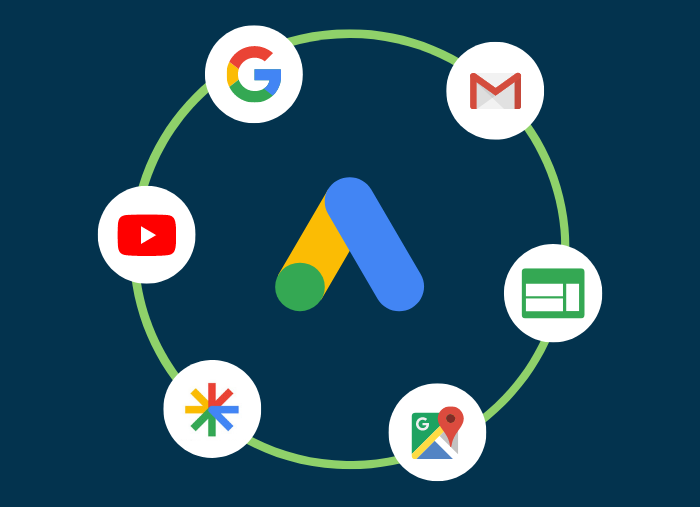
Performance Max campaigns have become one of the most talked-about tools in digital marketing. If you have ever run Google Ads and wondered how to take advantage of automation without losing control, Performance Max is where that journey begins. In simple terms, this campaign type lets you advertise across all of Google’s networks through a single campaign. It uses artificial intelligence to optimize your ads, placements, and audiences automatically. That means your message can appear on Search, Display, YouTube, Discover, Gmail, and Maps at the same time. Although it sounds simple, many advertisers still struggle to understand how Performance Max works and how to get consistent results from it. This guide breaks down the concept in plain language so you can see what makes Performance Max unique, how it fits into the bigger Google Ads ecosystem, and what to keep in mind when using it to promote your business.
What Is a Performance Max Campaign
Performance Max, often called PMax, is Google’s fully automated campaign type that uses machine learning to serve ads wherever they are most likely to perform well. Instead of building separate campaigns for each network, you upload your creative assets and set your objectives. Google’s system handles the rest by determining where to show your ads and to whom. It is designed to help advertisers reach customers at multiple touchpoints while simplifying management. You give the system your goals, budget, and creative materials. Google tests combinations of headlines, descriptions, images, and videos, then delivers the versions that perform best for your objectives. This is a significant shift from traditional campaign types that require manual management of keywords, bids, and targeting.
How Performance Max Differs from Other Campaigns
Traditional campaigns like Search or Display require advertisers to control most settings manually. You decide the keywords, bids, and targeting. With Performance Max, those decisions are handled by algorithms that learn from your conversion data. Here are a few key differences:
Automation and machine learning
Performance Max uses automation to optimize ad delivery across channels. The more conversion data it collects, the better it gets at predicting who will engage with your ads.All-in-one placement
Your ads can appear on any Google property instead of being limited to one network.Goal-based optimization
Instead of managing keywords, you choose a conversion goal such as leads, online sales, or store visits. Google uses that goal to guide its optimization process.Creative asset combinations
You upload multiple images, headlines, and videos. The system mixes and matches these assets to find the best-performing combinations.
You can learn more about these features directly from the Google Ads Help overview of Performance Max.
Why Performance Max Matters in 2026
The advertising landscape has changed dramatically over the past few years. Data privacy laws, cookie deprecation, and audience fragmentation have made it harder to track and target users manually. Performance Max was built to solve those challenges. It uses Google’s first-party data and machine learning to understand intent and behavior even without cookies. For marketers, this means campaigns can continue performing well while respecting privacy regulations. It also allows smaller businesses to compete with larger advertisers because the system handles much of the heavy optimization that would otherwise require a team of specialists.
The Core Benefits of Performance Max
Expanded Reach
With one campaign, you can reach people across every major Google property. Your ads follow potential customers throughout their journey, from awareness to conversion.Simplified Management
Instead of managing multiple campaigns, you can set up one Performance Max campaign to handle all placements. This reduces workload and complexity.Data-Driven Optimization
The system constantly learns from your conversion data to improve performance over time. It uses predictive modeling to anticipate which users are most likely to convert.Better Use of Budgets
Because the campaign allocates budget dynamically across networks, your money flows to the areas that produce the best return automatically.Improved Attribution
Performance Max uses data-driven attribution by default. This allows you to see which touch points influence conversions, giving a clearer view of your customer journey.
For a detailed breakdown of these benefits, Search Engine Journal provides an in-depth look at how automation is reshaping campaign management.
Limitations to Be Aware Of
While Performance Max offers simplicity, it also reduces transparency. Many advertisers find that they lose visibility into where their ads appear and which placements drive conversions. Other limitations include:
Limited keyword control
You cannot select or exclude keywords as precisely as in Search campaigns.Data dependency
Performance Max performs best when you already have a solid history of conversions.Creative dependency
The system relies on high-quality creative assets. Poor headlines or visuals will limit results.
Understanding these limitations is important before deciding whether this campaign type fits your business goals.
The Role of Automation
Automation is at the heart of Performance Max. Google uses advanced machine learning models to predict which ad combinations and placements will produce conversions. This level of automation has advantages and trade-offs. On the positive side, it saves time and uncovers opportunities you might not have considered. However, it also means you are trusting Google’s system to make decisions that used to be in your hands. For most advertisers, the best approach is to combine automation with human oversight. Review performance data regularly, update your creative assets, and make sure your conversion tracking remains accurate.
The Importance of Data Quality
Performance Max depends heavily on the data you provide. If your conversion tracking is inaccurate or incomplete, the system will optimize toward the wrong goals. Make sure your website’s analytics are properly set up and that each meaningful action—such as form submissions or purchases—is recorded as a conversion. Accurate data allows Google’s algorithms to identify patterns and learn what high-value customers look like. Poor data leads to wasted spend and unpredictable performance.
Creative Strategy and Asset Quality
Even though Performance Max handles placement and targeting, your creative assets determine how effectively the campaign performs. Google’s AI cannot fix weak messaging or unclear branding. Each campaign should include:
High-resolution images that represent your brand
Clear and concise headlines that communicate value
Descriptions that focus on benefits and outcomes
Video content when possible, since video performance continues to grow across platforms
Google has shared guidelines on creative best practices for Performance Max, which are worth reviewing when preparing your assets.
Measurement and Reporting
Performance Max uses data-driven attribution to evaluate performance. This means conversions are credited across multiple interactions rather than just the final click. While this provides a more realistic picture of your campaign’s impact, it can also make it harder to pinpoint which ads or networks deliver the most value. To interpret results accurately, focus on metrics that align with your overall business goals. For example, if your main objective is lead generation, pay attention to cost per lead and conversion rate rather than clicks or impressions.
Common Misconceptions
Performance Max replaces Search campaigns
It does not. Performance Max complements Search campaigns but does not fully replace them. Traditional Search campaigns still allow more keyword control.
You can set it and forget it
Automation does not mean you can ignore your campaigns. Regular reviews are necessary to maintain performance.
It works instantly
Like any machine learning system, Performance Max improves over time. Expect an initial learning period before performance stabilizes.
Who Should Use Performance Max
Performance Max is ideal for businesses that:
Want to advertise across multiple networks without managing each one separately
Have solid conversion tracking in place
Possess a library of strong creative assets
Prefer goal-based optimization over manual control
If you are new to Google Ads or prefer an approach that focuses on results rather than micromanagement, Performance Max is worth exploring.
How Performance Max Fits into a Broader Strategy
Performance Max works best as part of a holistic marketing plan. It can amplify your reach and automate optimization, but it should not operate in isolation. Integrating Performance Max with remarketing, SEO, and content marketing creates synergy. It ensures you are present at every stage of the customer journey—from initial awareness to final purchase. Businesses that pair Performance Max with solid branding and strong website experiences tend to see higher conversion rates and better return on ad spend. If you are looking for expert help combining these elements, visit the Paid Advertising Services page at Cristanta Digital Marketing to learn how we build multi-channel strategies that drive measurable growth.
Final Thoughts
Performance Max represents the future of Google Ads. It simplifies campaign management, expands reach, and makes advanced optimization accessible to more advertisers. However, it is not a magic button. Success still depends on clear goals, quality data, and creative that resonates with real people. Automation can enhance performance, but it cannot replace thoughtful strategy. If you approach Performance Max with realistic expectations and a commitment to ongoing refinement, it can become one of the most powerful tools in your marketing toolkit.