

How to Combine SEO and PPC for Better ROI (2026 Guide)
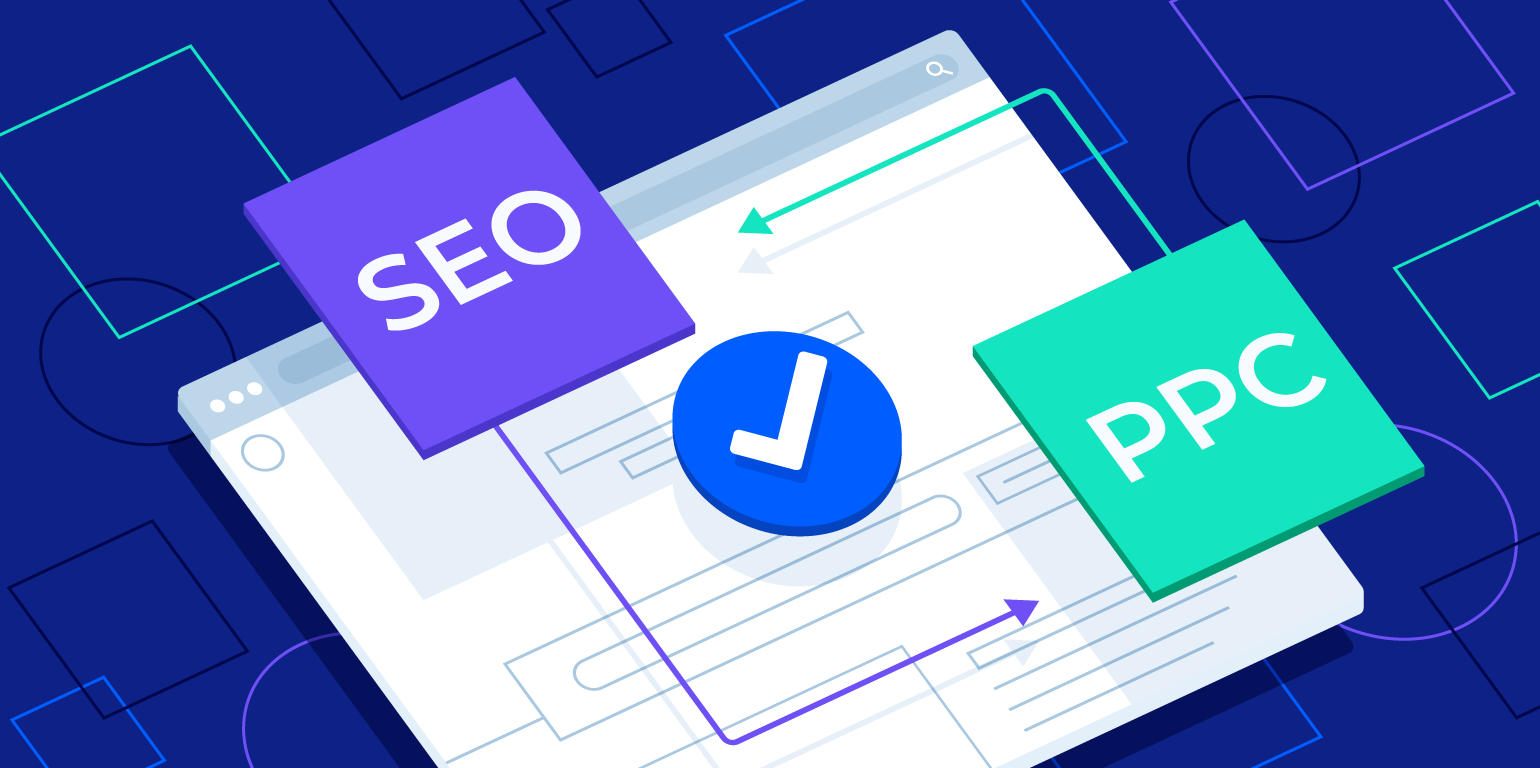
In 2026, digital marketing success depends less on choosing between SEO and PPC and more on how well you integrate them. Many businesses treat search engine optimization and paid advertising as separate channels, but the truth is that they work best together. When aligned, SEO and PPC can amplify visibility, reduce costs, and create a steady flow of high-quality leads. This guide explains how to combine SEO and PPC effectively to improve your return on investment. Whether you run a local business or a national e-commerce brand, understanding how these two disciplines support each other will help you build a more sustainable, data-driven marketing strategy. If you want hands-on help executing both strategies, Cristanta Digital Marketing’s Paid Advertising Services include landing page optimization and data integration between paid and organic channels to maximize performance.
Understanding the Difference Between SEO and PPC
Before combining them, it helps to understand what each does best. Search engine optimization (SEO) focuses on improving your website’s organic visibility in search results. It’s about earning traffic through content, technical optimization, and authority building. Results take time, but once rankings improve, traffic can compound without additional cost per click. Pay-per-click advertising (PPC), such as Google Ads, delivers immediate visibility through paid placements. You bid on keywords, and your ads appear above or beside organic results. It’s faster but requires active management and budget. When these two forces work together, PPC accelerates visibility while SEO builds long-term authority. The data from both also strengthens decision-making, creating a feedback loop that improves performance over time.
Step 1: Use PPC Data to Guide SEO Strategy
One of the most powerful—but often overlooked—advantages of running SEO and PPC together is the ability to share data between the two channels. Google Ads gives you near-instant feedback on keyword performance. Within days or weeks, you can see which search terms generate clicks, leads, and actual revenue. SEO teams, by contrast, often need months of ranking, traffic, and conversion data before reaching the same conclusions. When these channels operate in silos, that insight is wasted. By analyzing your PPC search term reports, you can identify which keywords don’t just attract traffic, but drive real conversions. These are your highest-value keywords—the ones that reveal clear commercial intent. Instead of guessing which terms might perform well organically, you already know which ones convert. Once those winning keywords are identified, you can use them to guide your SEO strategy:
Create blog posts, guides, and comparison articles targeting those terms
Build dedicated landing pages optimized around proven offers
Structure content to match the same intent that converts in paid search
This approach removes much of the uncertainty from content planning. Rather than choosing keywords based solely on search volume or competitiveness, you’re prioritizing terms that have already proven their ability to generate revenue. Over time, as your organic rankings improve for these high-intent keywords, you gain flexibility on the paid side. You can reduce bids, shift budget, or redeploy spend to new tests—while still maintaining strong overall visibility in search results. In some cases, organic listings even reinforce paid ads, increasing trust and total click-through rate. The result is a compounding effect: PPC accelerates learning, SEO compounds traffic, and both channels become more efficient together. Instead of competing for budget, SEO and PPC work as a unified system that lowers acquisition costs and drives sustainable growth.
Step 2: Use SEO Insights to Improve Ad Performance
Just as PPC data improves SEO strategy, SEO data strengthens PPC campaigns. SEO tools reveal long-tail keywords and related search phrases that may not appear in your Google Ads suggestions. These often represent cheaper, less competitive opportunities for paid campaigns. For example, your SEO data might show that users often search for “best PPC agency for local businesses.” That insight can inspire new ad groups or responsive search ads targeting similar intent. SEO also helps refine ad messaging. By analyzing which meta titles and descriptions get the highest organic click-through rates, you can adapt similar language in your PPC headlines. This ensures consistency across both paid and organic listings, building stronger brand trust.
Step 3: Align Messaging and Branding Across Both Channels
Your brand should feel consistent no matter how someone finds you—whether they click a paid ad or an organic search result. When messaging and branding align across SEO and PPC, it builds credibility, reduces friction, and increases conversion rates. Start by reviewing your ad copy, meta titles, and meta descriptions side by side. Ask yourself:
Are they communicating the same core value?
Are they highlighting the same offers, benefits, or differentiators?
Do they speak to the same audience intent?
When paid and organic listings tell different stories, users may hesitate or feel uncertain. But when the messaging reinforces itself across multiple touchpoints, it creates familiarity and trust before the click even happens. Aligned language also improves performance on a technical level. Consistent keyword usage and intent alignment can positively impact Quality Score in Google Ads and improve engagement metrics like click-through rate and time on site for organic traffic. Consistency shouldn’t stop at the search result. Visual branding and landing pages must match as well. Fonts, colors, layouts, and tone should feel cohesive across all entry points. For example, if a PPC ad promotes “Get a Free Google Ads Audit” and sends users to a page with that exact headline, your SEO-driven pages should reference the same offer, use similar language, and maintain the same visual style. When users repeatedly see the same message—across ads, organic listings, and landing pages—they begin to recognize your brand as familiar, reliable, and authoritative. That recognition lowers resistance, shortens decision time, and makes conversion feel like the natural next step rather than a leap of faith.
Step 4: Share Landing Pages Strategically
Many businesses automatically create separate landing pages for PPC and SEO—but with the right structure, you can often make one page serve both purposes. The key is understanding what each channel needs and designing pages that balance conversion focus with organic visibility. PPC landing pages are typically built to convert quickly. They feature clear calls to action, minimal navigation, strong headlines, and fast load times. SEO pages, on the other hand, usually need depth—expanded content, keyword coverage, internal links, and supporting information that helps search engines understand relevance and authority. A smart hybrid approach uses PPC as a testing ground. Because paid traffic delivers fast feedback, you can quickly learn which headlines, offers, layouts, and calls to action convert best. Once those elements are proven, they can be rolled into your SEO-focused pages, dramatically improving their conversion performance without months of guesswork. The strategy works in reverse as well. If you already have SEO pages that rank well, attract engaged users, and clearly match search intent, they can often serve as effective landing pages for PPC traffic. This reduces page bloat, streamlines maintenance, and ensures consistency across channels. To maintain the benefits of both SEO and PPC on shared pages:
Place key messages, benefits, and calls to action above the fold to support conversions
Use clear page structure and headings to guide both users and search engines
Add in-depth supporting content below the fold to strengthen keyword relevance and rankings
Maintain fast load times and mobile usability to support paid traffic efficiency
When done correctly, shared landing pages become more than a compromise—they become a force multiplier. PPC accelerates learning, SEO compounds traffic, and both channels feed into a single, high-performing experience that’s easier to manage and more effective over time.
Step 5: Coordinate Timing Between PPC and SEO Campaigns
SEO and PPC operate on very different timelines, and coordinating them intentionally can dramatically improve results. SEO is a long-term investment—it takes time for content to rank, authority to build, and momentum to compound. PPC, on the other hand, delivers immediate visibility. When used together, PPC can bridge the gap while SEO does its slower, foundational work. When launching a new product, service, or entering a new location, PPC should often lead the charge. Paid ads allow you to appear at the top of search results right away, generate traffic, and start collecting valuable performance data while your SEO pages are still being indexed and tested by search engines. That early PPC data becomes incredibly useful. You can analyze which keywords convert, which messages resonate, and which offers drive action. Those insights can then be fed directly into your SEO strategy—shaping page titles, headlines, content structure, and internal linking around proven intent rather than assumptions. As your organic rankings begin to improve, your strategy should evolve. Instead of simply turning PPC off, reallocate budget strategically:
Reduce spend on high-cost, highly competitive keywords where organic rankings now provide coverage
Shift budget toward remarketing, capturing users who previously engaged but didn’t convert
Maintain brand protection campaigns to defend your name and control the message at the top of search results
Test new keywords, offers, or markets using PPC as a low-risk experiment
This coordinated approach keeps your overall cost per acquisition stable while steadily expanding reach and efficiency. Rather than choosing between SEO or PPC, you use each channel at the right time for the right purpose—maximizing short-term wins while building long-term growth.
Step 6: Dominate Search Results with Dual Presence
Appearing in both paid and organic results for the same keyword increases click-through rates dramatically. Multiple studies have shown that when a brand holds both positions, users perceive it as more credible and trustworthy. Run reports to identify keywords where you already rank organically on page one. Then, layer PPC ads on top of those same terms to occupy more search real estate. Even if users don’t click the ad, your organic listing benefits from the increased exposure. You’re essentially crowding out competitors and building authority by repetition.
Step 7: Retarget Organic Visitors with PPC
Most visitors don’t convert the first time they land on your site—and that’s completely normal. Buying decisions often require multiple touchpoints, comparisons, or a bit more trust. This is where retargeting becomes a powerful bridge between SEO and PPC. By using remarketing lists in Google Ads, you can specifically target users who found you through organic search but didn’t complete a conversion. These visitors already demonstrated intent by actively searching and clicking—making them far more valuable than cold audiences. Retargeting allows you to stay top-of-mind with relevant follow-up messaging, such as:
Free consultations or audits for high-intent service pages
Limited-time discounts or incentives to reduce hesitation
Educational content like guides, case studies, or FAQs to build trust
Reminders of key benefits or differentiators they may have missed
Because these users are already familiar with your brand, retargeting ads typically see higher click-through rates and lower cost per conversion. You’re not reintroducing yourself—you’re continuing the conversation. You can make retargeting even more effective by segmenting audiences:
Different ads for visitors who viewed pricing pages vs. blog posts
Shorter remarketing windows for high-intent pages
Longer nurture campaigns for informational content
When done correctly, retargeting turns organic traffic into a long-term asset. Instead of relying on a single visit to convert, you extend the lifecycle of that traffic, improve overall ROI, and ensure that the effort you put into SEO continues to pay off well beyond the first click.
Step 8: Combine Reporting for Better Insights
One of the biggest mistakes businesses make is analyzing SEO and PPC in isolation. When these channels are tracked separately, you end up with data silos that hide how users actually behave across search. The reality is that paid and organic search often work together in the same customer journey. By integrating SEO and PPC into a single reporting dashboard, you gain a true picture of your total search performance. Tools like Google Analytics 4 and Looker Studio make it possible to merge organic and paid metrics into one view—allowing you to analyze impressions, clicks, engagement, and conversions side by side. When everything is visualized together, you can uncover insights that would otherwise be missed, such as:
Keyword overlap between paid and organic results
Assisted conversions, where one channel influences a conversion that happens later
Paths to conversion, showing how users move between ads and organic listings
True cost per acquisition across all search activity
For example, a user might click a paid ad during their first visit, browse your site, leave, and later return through an organic search to convert. If you only look at last-click attribution or channel-specific reports, PPC may appear ineffective—even though it played a critical role in starting the journey. Combined reporting helps you make smarter decisions about budget allocation, keyword strategy, and content priorities. Instead of asking “Which channel gets credit?” you can focus on “How do these channels work together to drive growth?” That shift leads to more accurate insights, better optimization, and stronger overall performance across search.
Step 9: Share Budgets Intelligently
Combining SEO and PPC doesn’t mean splitting your budget 50/50—it means shifting resources based on opportunity. If your organic performance is strong for certain keywords, reduce ad spend on those terms and reinvest it into areas where SEO is still developing. Conversely, if your SEO content struggles to rank for competitive terms, PPC can temporarily fill the gap. This flexible allocation keeps marketing spend efficient and ensures that both channels support each other’s growth. At Cristanta Digital Marketing, campaign managers continuously reallocate budgets between paid and organic efforts to maintain balance and maximize return.
Step 10: Use PPC to Test SEO Concepts
One of the biggest challenges with SEO is time. Creating content, earning rankings, and gathering meaningful performance data can take months. PPC solves that problem by providing immediate feedback, making it an ideal testing ground for SEO ideas before you commit long-term resources. Before investing heavily in a new blog series, resource hub, or landing page, you can run targeted PPC campaigns around the same topics, keywords, or value propositions. Because paid ads generate results quickly, you can see almost immediately which ideas resonate—and which ones fall flat. PPC testing can help validate:
Keyword intent (which terms actually drive conversions, not just traffic)
Headlines and messaging that earn higher click-through rates
Offers and angles that motivate users to take action
Content framing (educational vs. solution-focused vs. comparison-based)
This data-driven approach significantly reduces risk. Instead of guessing which topics might perform well organically, you’re prioritizing content ideas that already show strong engagement and conversion signals in paid search. Once winners are identified, you can confidently scale them through SEO—creating long-form content, building internal links, and investing in on-page optimization knowing there’s real demand behind the topic. Meanwhile, underperforming ideas can be refined or abandoned early, saving time and budget. In this way, PPC becomes more than a traffic source—it becomes a research lab for your organic strategy. The result is faster learning, smarter content investments, and an SEO program built on proof, not assumptions.
Step 11: Protect Your Brand Keywords
Many businesses assume that ranking number one organically for their brand name is enough—but that’s no longer the case. Even if you own the top organic spot, competitors can still bid on your brand keywords and place their ads above your listing. Running PPC ads on your own brand keywords ensures that your business dominates the top of the search results, leaving little room for competitors to intercept high-intent traffic. Users searching for your brand already know who they’re looking for, which makes these searches some of the most valuable you can capture. Brand protection campaigns deliver several key advantages:
Defend against competitors bidding on your name and siphoning off traffic
Control the message users see first, rather than letting organic snippets decide
Promote time-sensitive offers, new services, or announcements
Direct traffic to the most relevant landing page, not just your homepage
From a performance standpoint, brand campaigns are incredibly efficient. Because relevance and intent are extremely high, they typically deliver the lowest cost per click and highest conversion rates across all PPC efforts. Quality Scores are strong, competition is usually limited, and results are highly predictable. Rather than viewing brand campaigns as redundant, think of them as insurance and leverage. They protect traffic you’ve already earned through SEO and branding efforts, while giving you full control over visibility, messaging, and user experience at the most critical moment—when someone is actively searching for you.
Step 12: Measure ROI Holistically
When SEO and PPC work together, measuring ROI gets more complex—but also more accurate. Instead of treating each channel separately, calculate total revenue generated from both and divide by the combined spend. Include assisted conversions, brand lift, and repeat visits. These are indirect benefits that occur when users engage with your brand across multiple touchpoints. The combined ROI often exceeds what either channel delivers alone. That’s because PPC drives immediate traffic while SEO compounds visibility and authority over time.
Conclusion
The debate between SEO and PPC is outdated. In 2026, the smartest marketers know that integration—not isolation—drives the best results. Use PPC to gain data, speed, and visibility while SEO builds authority, trust, and long-term growth. Together, they create a marketing engine that continuously improves efficiency and return on investment. If you’re ready to align your paid and organic strategies, Cristanta Digital Marketing’s Paid Advertising Services can help you bridge both worlds. From campaign optimization to analytics integration, you’ll get a complete approach designed for real business growth.