

Dynamic Search Ads Explained
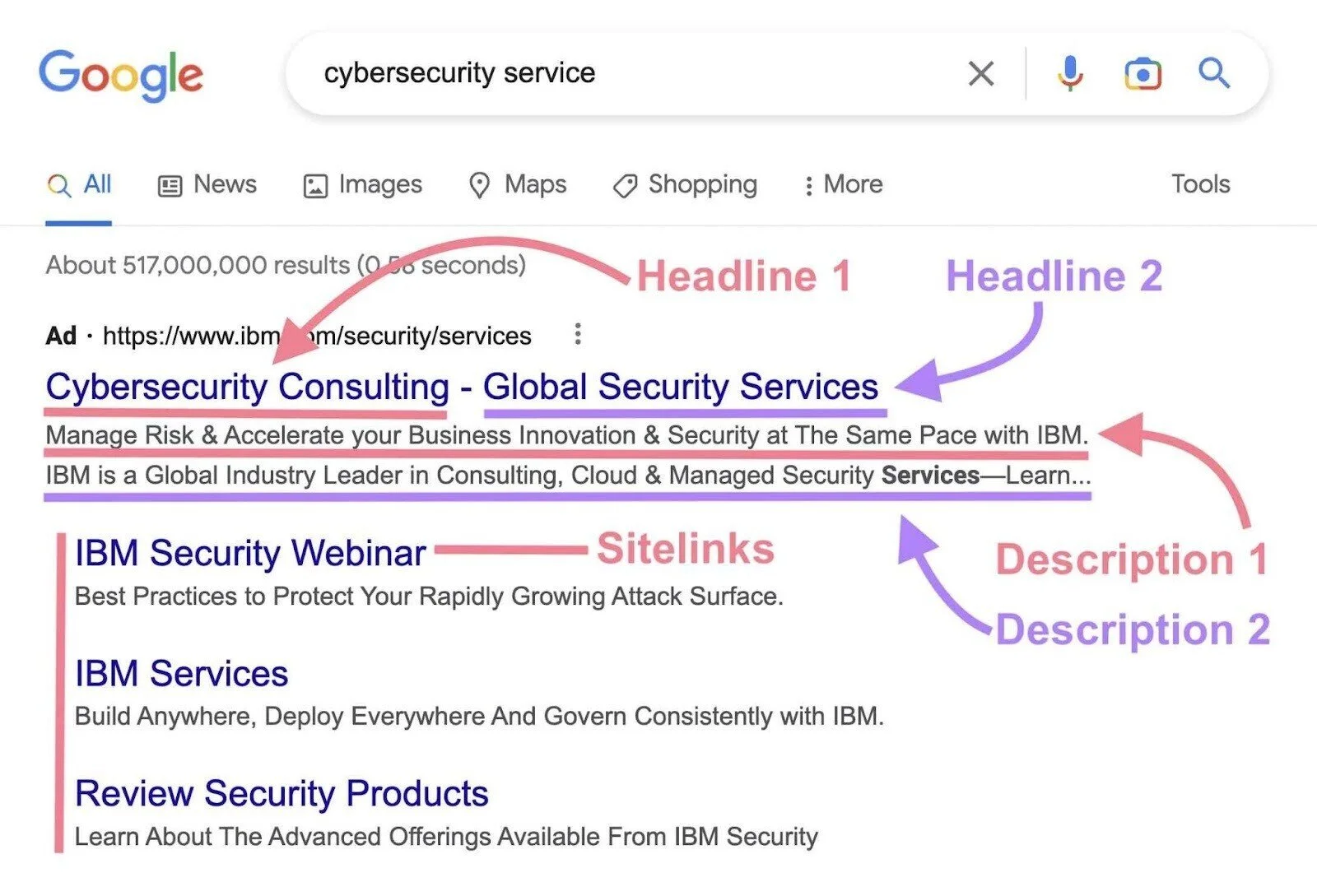
Dynamic Search Ads, often called DSAs, are one of the most powerful yet misunderstood tools in Google Ads. They use Google’s crawling technology and machine learning to automatically generate ad headlines and landing page matches based on your website content. In 2026, Dynamic Search Ads have become an essential part of advanced advertising strategies because they allow businesses to capture search traffic they might otherwise miss. While traditional search campaigns rely on manually selected keywords, DSAs automatically match relevant searches to your site’s content, saving time and uncovering valuable new opportunities. This guide explains what Dynamic Search Ads are, how they work, when to use them, and how to optimize them for the best performance.
What Are Dynamic Search Ads
Dynamic Search Ads are a type of campaign in Google Ads that automatically create and target ads based on your website’s content. Instead of bidding on specific keywords, Google scans your site to understand what products or services you offer. Then it dynamically generates headlines and selects the most relevant landing page for each search query. In simple terms, DSAs let Google handle keyword targeting and ad creation by using your website as the foundation. According to Google Ads Help, DSAs are best suited for advertisers with well-structured websites and a wide range of products or services.
How Dynamic Search Ads Work
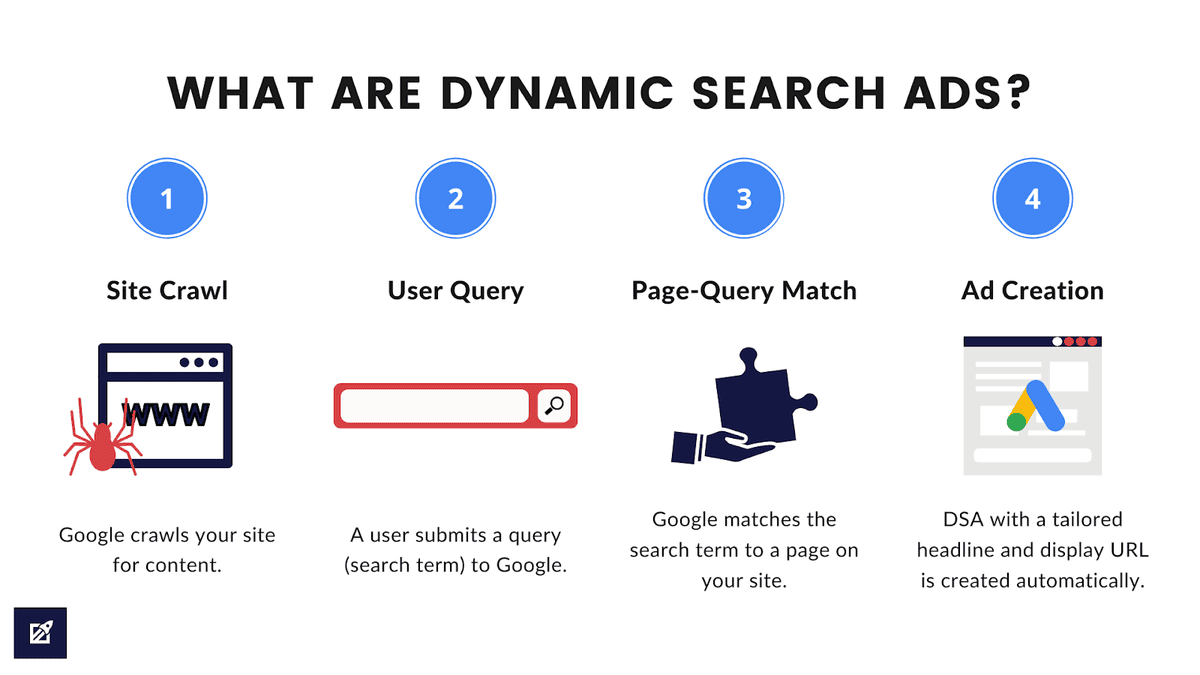
When someone performs a search relevant to your website, Google automatically generates an ad headline using the content from your site and matches it with the most appropriate landing page. For example, if your site has a page about “Ecommerce Marketing Services,” and someone searches “Ecommerce Google Ads agency,” Google might automatically create an ad headline like “Ecommerce Marketing Experts Ready to Help” and send users directly to that page. The ad description comes from the templates you provide, but the headline and final URL are dynamically inserted. This process helps advertisers cover gaps in keyword coverage, reach highly relevant users, and save time on manual keyword management.
Why Use Dynamic Search Ads
Dynamic Search Ads are especially useful for:
Websites with large inventories or service offerings
Businesses frequently adding new products or content
Advertisers who want to discover new keyword opportunities
Companies seeking a scalable, efficient campaign structure
They ensure your ads remain relevant and up-to-date, even as your website evolves. At Cristanta Digital Marketing, we often use DSAs as part of a broader Google Ads strategy to identify new traffic sources and improve overall account performance. You can learn more about our process on the Paid Advertising Services page.
Benefits of Dynamic Search Ads
Automatic Keyword Targeting
Google automatically matches search queries to relevant pages on your site, eliminating the need to build exhaustive keyword lists.Dynamic Headline Generation
Headlines are automatically created based on user searches and your page content, increasing relevance and click-through rate.Expanded Reach
DSAs capture long-tail and new keyword variations you might not have thought to target manually.Efficient Ad Creation
Since Google builds headlines and URLs dynamically, you only need to write a few ad descriptions, saving time and effort.Better Ad Relevance
Because ads are generated using live website content, they closely match user intent, improving performance metrics like Quality Score.
Drawbacks of Dynamic Search Ads
While DSAs can be powerful, they are not suitable for every business.
Dependence on Website Quality
If your site content is poorly structured or outdated, your ads may not perform well. We highly recommend reviewing your Google Analytics 4 data and heatmap software before moving forward with DSAs.Limited Control
You cannot specify exact keywords or headlines. Google decides which queries trigger your ads. This is not ideal for businesses who are testing and collecting data. Essentially, Google has free run and you can’t control most of the process.Potential for Irrelevant Traffic
Without proper exclusions, your ads may appear for searches that are not relevant to your services. This happens frequently with DSAs when the proper exclusions aren’t put in place.Less Customization
Dynamic headlines limit branding and tone consistency, which can be an issue for businesses with strict messaging requirements.
Despite these limitations, DSAs can deliver excellent results when used strategically with proper exclusions and tracking in place.
Setting Up a Dynamic Search Ad Campaign
Here’s a step-by-step guide to setting up DSAs effectively:
Create a New Campaign
In Google Ads, choose “Search” as your campaign type, then select “Dynamic Search Ads.”Add Your Website Domain
Enter your website URL. Google will crawl your site to identify pages relevant to users’ search intent.Define Your Targeting Source
You can target your entire website, specific pages, or categories based on your site’s structure.Write Descriptions
Provide two ad descriptions that Google will use alongside dynamically generated headlines.Set a Bidding Strategy
Choose either Smart Bidding (like Target CPA) or Manual CPC depending on your goals and data availability.Add Negative Keywords
Exclude irrelevant terms to prevent wasted spend on unrelated searches (super important!).Launch and Monitor
Once live, monitor search term reports to refine targeting and improve results.
Dynamic Search Ad Best Practices
Use a Well-Optimized Website
Your site structure directly affects how DSAs perform. Clear navigation, descriptive page titles, and keyword-rich content help Google match your pages accurately.Target Specific Categories
If your site has multiple services or products, target them separately. For example, create one DSA ad group for “Ecommerce Marketing” and another for “Local SEO.”Regularly Review Search Terms
Check the search term report to see which queries trigger your ads. Add irrelevant ones as negative keywords.Write Compelling Descriptions
Although headlines are dynamic, you control the descriptions. Focus on clear benefits and strong calls to action like “Book Your Consultation” or “Get a Free Quote.”Use Exclusions Strategically
Exclude pages like your blog or privacy policy so ads only promote relevant services.Monitor Performance and Adjust
Test different bidding strategies and track conversion performance. DSAs improve over time as Google learns from your data.
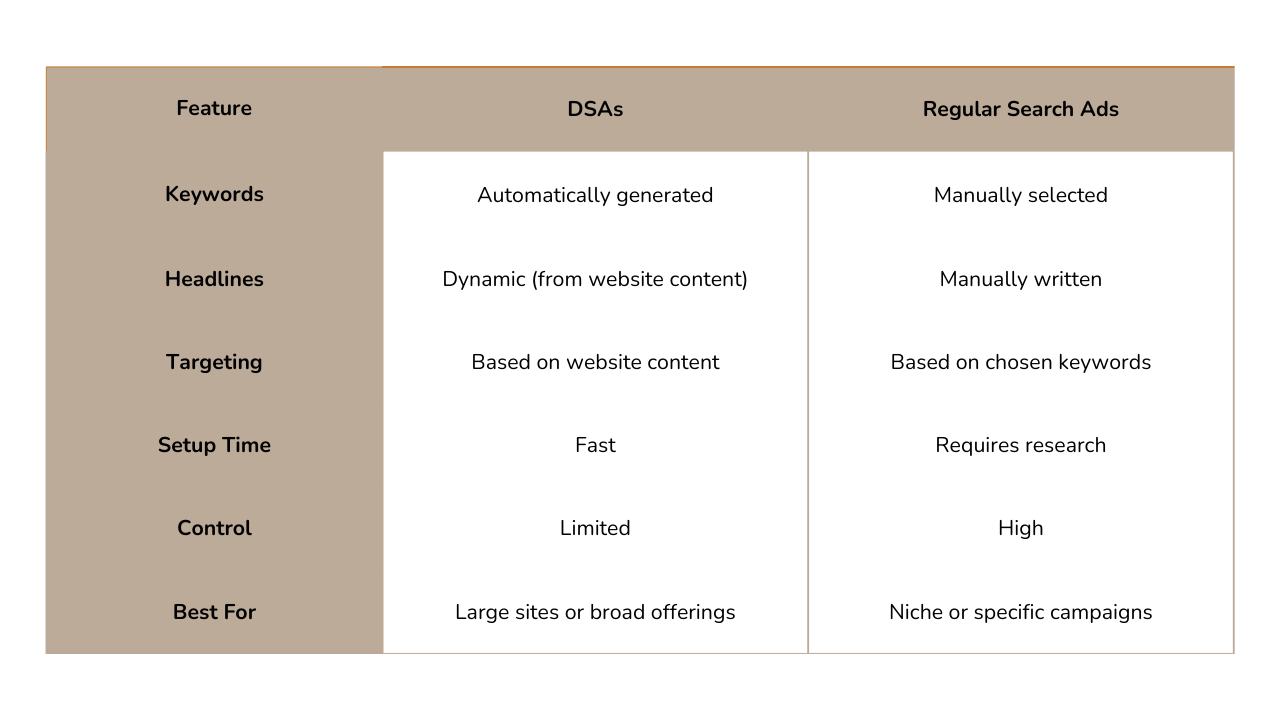
Dynamic Search Ads vs Regular Search Ads
Dynamic Search Ads are best used alongside traditional campaigns rather than replacing them. Together, they create a more comprehensive advertising strategy. Additionally, Dynamic Search Ads are best used alongside traditional campaigns rather than replacing them. Together, they create a more comprehensive advertising strategy.
When to Use Dynamic Search Ads
DSAs are ideal when you:
Have a large website with many product or service pages
Regularly update your offerings
Want to identify new keyword opportunities
Need to save time managing keyword lists
They are not ideal if your website lacks clear content or has limited service descriptions.
How Dynamic Search Ads Affect ROI
When used correctly, DSAs often improve overall ROI by uncovering high-performing search terms that standard campaigns might miss. For instance, one of our clients in the home services industry saw a 22 percent increase in conversions after introducing a DSA campaign targeting service-specific pages. The campaign revealed new long-tail search terms, which we later added to their manual keyword list for greater precision and cost control. This combination of automation and manual optimization consistently produces the best results.
Using Dynamic Search Ads with Smart Bidding
Pairing DSAs with Smart Bidding strategies like Target CPA or Maximize Conversions can enhance performance. The AI uses conversion data from your account to adjust bids automatically, focusing spend on searches with the highest likelihood of conversion. However, ensure your conversion tracking is properly set up in Google Ads and Google Analytics 4 before enabling Smart Bidding. If you want to understand how automation fits into the broader Google Ads landscape, read our post How AI is Changing Google Ads Management, which explores how AI and human strategy work together to deliver better results.
Monitoring and Optimizing DSA Performance
Track the following metrics regularly:
Click-through rate (CTR)
Conversion rate
Cost per conversion
Search term relevance
Page performance
Use these insights to refine your campaign and exclude underperforming pages or terms. Over time, your DSAs will become more efficient and deliver higher-quality traffic.
Why DSAs Work Best with Human Oversight
Even though DSAs rely on automation, they still require human strategy. AI can match searches to pages, but it cannot understand context, tone, or your business goals. Without oversight, DSAs may target irrelevant pages or create headlines that don’t align with your brand. By reviewing reports regularly and adjusting settings manually, you can combine AI’s speed with human accuracy to achieve the best results. You might want to checkout How AI is Changing Google Ads Management for more.
Conclusion
Dynamic Search Ads are a powerful tool for expanding reach, improving ad relevance, and uncovering new keyword opportunities. When used strategically, they can save time, reduce management complexity, and deliver strong ROI — especially for businesses with large or evolving websites. However, they work best when guided by an experienced hand. Combining DSAs with manual campaigns, proper exclusions, and ongoing optimization ensures every click is meaningful and every ad aligns with your business goals. If you want to explore how Dynamic Search Ads can fit into your overall paid advertising strategy, schedule a consultation with Cristanta Digital Marketing. Our team can help you integrate DSAs effectively and optimize them for sustainable growth.